Frizz is hair asking for moisture and a smoother surface. Most of it comes from three things: humid air, lengths that have grown dry, and drying that roughs the hair up. So an anti-frizz routine does three jobs. It washes gently, it conditions and leaves a light layer of care in, and it finishes with a serum or oil, applied to hair you have dried with a softer hand. Below is each step, and what we would choose for it.
Why Does Hair Frizz?
Each hair has an outer layer of overlapping scales, the cuticle. When those scales lie flat, light reflects evenly and the hair feels smooth. When they lift, the strand looks fuzzy and loses its shine. Dry hair is the first reason: lengths that are short of moisture take it from the air, swell unevenly and lift. Humidity is the second, which is why frizz arrives with a damp day or a steamy bathroom. The third is handling: rubbing hair with a towel, brushing it while it is very wet, or drying it on high heat with the airflow going in every direction. Hair that has been coloured or heat-styled often frizzes more easily, and waves and curls are naturally prone to it.
None of this calls for anything complicated. The products below help hair feel smoother and more manageable, and the habits further down help it stay that way.
Anti-Frizz Shampoo
Choose a shampoo described as smoothing or anti-frizz, and put it where it is needed: on the scalp. Massage with the fingertips, then let the rinse carry through the lengths rather than rubbing them together. Lukewarm water is kinder than very hot water to lengths that already feel dry.
Redken's Frizz Dismiss Shampoo combines babassu oil with a 1% smoothing complex in a pH-balanced formula, for frizzy, unmanageable hair. Ogx's Hydrate & Defrizz + Kukui Oil Shampoo pairs kukui nut oil with a humidity-resistant blend, made to help hair stay smoother through changing weather. Wella Professionals' Ultimate Smooth Shampoo, for dull, dry and frizzy hair, is formulated with squalane and omega-9, and is the first step of its range. Alterna's Caviar Anti-Aging Smoothing Anti-Frizz Shampoo is made for medium to thick hair that needs control and softness.
- Frizz Dismiss Shampoo
- Hydrate & Defrizz + Kukui Oil Shampoo
- Ultimate Smooth Shampoo
- Caviar Anti-Aging Smoothing Anti-Frizz Shampoo
Conditioner and Hair Mask
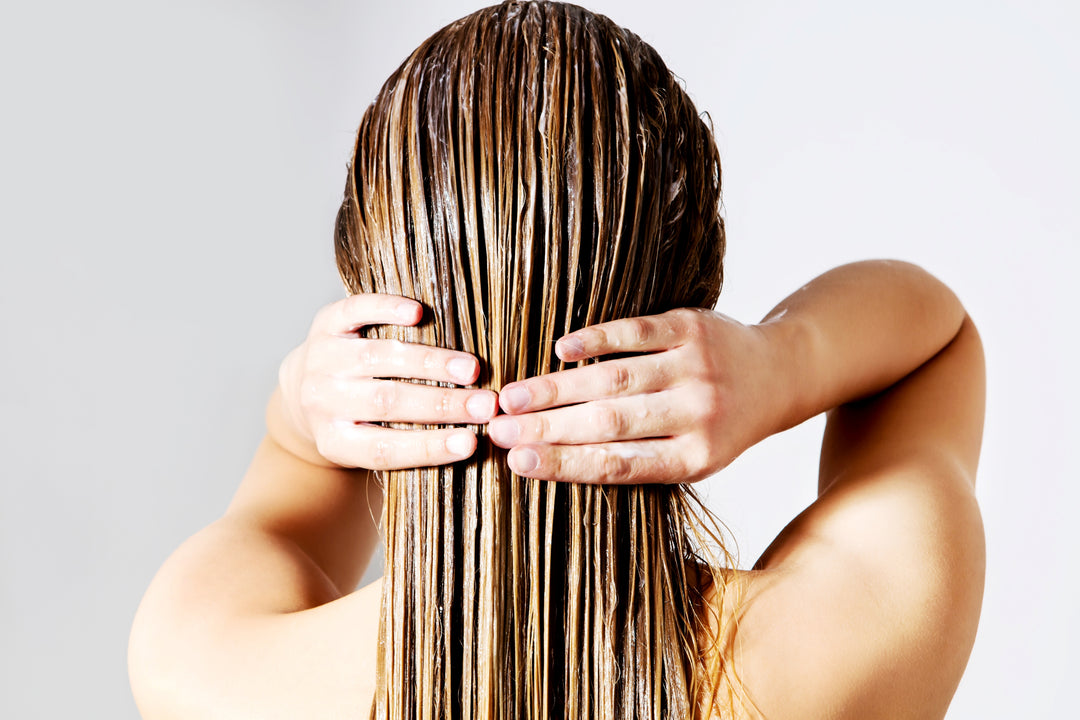
Conditioner is where frizz control does most of its work. Smooth it through the mid-lengths and ends, and detangle gently with your fingers or a wide-toothed comb while it is in, starting at the ends. Leave it for a moment before rinsing. Once a week, a hair mask in place of conditioner gives drier lengths a richer layer of care.
Eleven Australia's Smooth Me Now Anti-Frizz Conditioner is made for thick, coarse hair, to leave it easier to manage and smoother to detangle. Schwarzkopf's Bonacure Frizz Away Conditioner pairs babassu oil with a lightweight finish, for coarse and unruly hair. Macadamia's Natural Oil Smoothing Conditioner is a daily conditioner for frizz-prone lengths, worked through the mid-lengths and ends. Alfaparf Milano's Semi Di Lino Smooth Rebel Hair Smoothing Mask goes on towel-dried hair after shampooing, is left briefly and rinsed, as a regular step in a smoothing routine.
- Smooth Me Now Anti-Frizz Conditioner
- Bonacure Frizz Away Conditioner
- Natural Oil Smoothing Conditioner
- Semi Di Lino Smooth Rebel Hair Smoothing Mask
Leave-In Conditioner and Smoothing Cream
A leave-in goes on damp hair after washing and stays there, so the lengths begin the day with care already in place. Use a little, focus on the mid-lengths and ends, and keep it away from the roots if your hair is fine. Choose the texture by your hair: a light spray or a featherlight cream for fine hair, a richer cream for thick or coarse hair.
John Frieda's Frizz Ease Weightless Wonder Featherlight Smoothing Crème, infused with aloe water, is made to help fine hair look sleeker without weighing it down; use it sparingly. Goldwell's Stylesign Smooth Air-Dry BB Cream is a lightweight styling cream with a light hold for hair you leave to dry naturally, suitable for all hair textures. Sebastian Professional's Taming Elixir is a weightless smoothing creme serum for damp or dry hair. Hask's Keratin Smooth 5-in-1 Leave-In Spray is spritzed through damp or dry hair, then combed through.
- Frizz Ease Weightless Wonder Featherlight Smoothing Crème
- Stylesign Smooth Air-Dry BB Cream Hair Treatment
- Taming Elixir Weightless Smoothing Creme Serum
- Keratin Smooth 5-in-1 Leave-In Spray
Hair Serum and Hair Oil
A serum or oil is the finishing layer. It smooths the surface of the hair, adds shine and calms flyaways, and it can go on damp hair before drying or on dry hair to finish. A small amount goes a long way: warm a drop or two between your palms and smooth it over the mid-lengths and ends, then add a little more only where frizz remains.
Ghd's Smooth & Finish Serum is a finishing serum in a pump bottle, made to be used sparingly on the mid-lengths and ends. Tigi's Straighten Out Anti-Frizz Serum is a lightweight serum for damp or dry hair, for a sleek, glossy finish. L'Oréal Paris' Elvive Dream Long Stop Frizz Hair Serum is a leave-in serum for long, frizzy hair, applied to the lengths and ends and not rinsed. Living Proof's Frizz Vanishing Oil is a lightweight oil treatment for damp or dry hair, made to smooth flyaways and add a healthy-looking shine.
- Smooth & Finish Serum Hair Serum
- Straighten Out Anti-Frizz Serum
- Elvive Dream Long Stop Frizz Hair Serum
- Frizz Vanishing Oil Hair Oil
Drying Habits That Help
How you dry your hair matters as much as what you put on it.
- Blot rather than rub. Press a soft towel or a cotton T-shirt against the hair to lift the water.
- Detangle with a wide-toothed comb before drying, working up from the ends.
- Let the hair lose some of its water in the air before you reach for the dryer.
- Point the nozzle down the length of the hair, from root to tip, so the airflow follows the cuticle.
- Use a moderate heat, finish with a cool setting, and apply a heat-protecting product before heat styling.
- At night, a smooth pillowcase and a loose plait help the lengths stay calm until morning.
For the dryer itself, our guide How to Choose a Hair Dryer for Your Hair Type covers heat settings and nozzles. If your hair is curly, the routine is a little different, and we set it out in A Curly Hair Routine: Wash, Condition, Define.
The Routine at a Glance
- A smoothing shampoo on the scalp, rinsed through the lengths.
- Conditioner through the mid-lengths and ends, with a hair mask once a week.
- A leave-in conditioner or smoothing cream on damp hair.
- Blot, comb, then dry with the airflow pointing down the hair.
- A drop of hair serum or hair oil to finish.
If you change only one thing, change how you use the towel: blotting instead of rubbing is the simplest habit of all, and often the first you will notice.